

Cannabis retail, producer and processor security, Tacoma, Kent and Washington State
Cannabis retail security
built to WAC 314-55, and documented.
Continuous recording on every entrance, register and controlled area, with 45 days kept on a recorder locked on the premises. Alarms on every perimeter door and window, and a camera map the LCB can read. Ajax video and Ajax intrusion on one interface, installed by a licensed team, with an annual audit that proves the system still meets the rule.
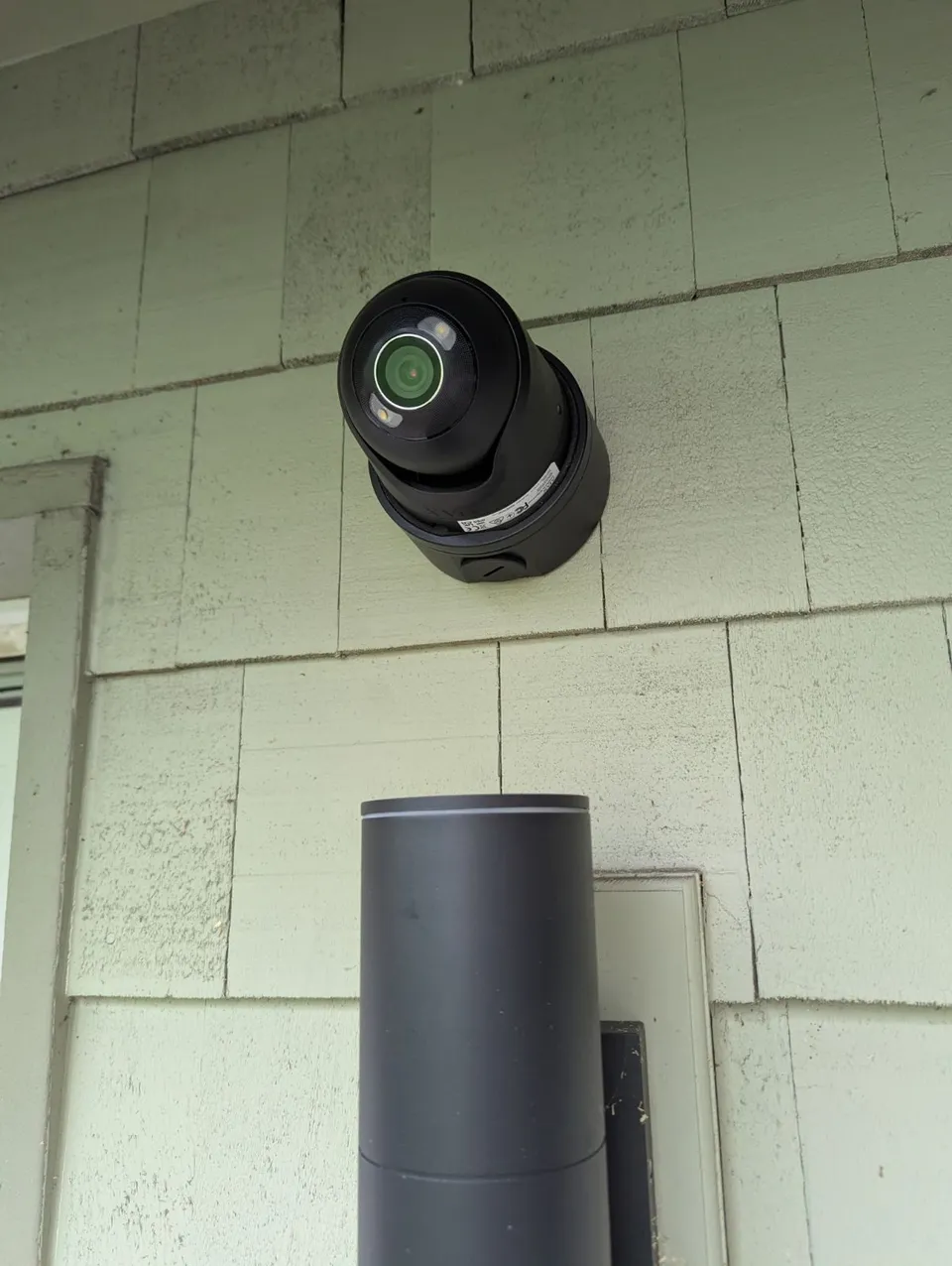


Rivas Technology Group installs and audits security systems for Washington cannabis retailers, producers and processors to WAC 314-55-083. That means fixed IP cameras recording continuously, a recorder secured on the premises holding 45 days, alarms on every perimeter door and window, and a documented camera map. Ajax cameras and intrusion run on one interface, from Kent across the state.
- Rule
- WAC 314-55-083: perimeter alarms, IP video, 24-hour recording at 10 fps or better, 45 days on the licensee's recorder
- Cameras
- Ajax BulletCam and TurretCam, 5 or 8 MP, IP65, fixed for clear identification
- Recorder
- Ajax Superior NVR on the premises in a locked cabinet, two drives up to 24 TB each, continuous recording
- Alarm
- Ajax detectors on every perimeter door and window, duress and hold-up buttons, monitored through Becklar, a UL-listed central station
- Documentation
- Camera map with direction arrows, device schedule, retention calculation, NIST time sync, delivered with the system
- Audit
- Annual on-site audit: coverage, continuity, retention, time, alarm test, written report
- License
- WA electrical contractor RIVASGL799DR, bonded and insured
What the rule actually requires
Washington's cannabis security rule is WAC 314-55-083, and it is specific1. Every licensed premises must have a security alarm system on all perimeter entry points and perimeter windows. It must have a complete video surveillance system with IP cameras of at least 640 by 470 pixels, fixed in place. They must be positioned so any person and activity in a controlled area can be clearly identified. Every entrance and exit must be recorded from both sides. All cameras must record continuously, 24 hours a day, at 10 frames per second or better. Recordings must show the time and date, synced to the NIST standard. The recorder must be secured on the premises in a lockbox, cabinet or closet, and it must hold at least 45 days. Any LCB employee or law enforcement officer may inspect the video and must be given a copy on request.
| Requirement in WAC 314-55-083 | How we meet it |
|---|---|
| Alarm on all perimeter entry points and windows | Ajax contacts on every perimeter door and window, glass-break and motion inside, hold-up buttons at the counter |
| Cameras at 640 by 470 pixels or better, IP-compatible, fixed | Ajax BulletCam and TurretCam at 5 or 8 MP, mounted fixed, on PoE |
| Clear and certain identification in controlled areas | Camera placement drawn for faces at doors and hands at registers, verified on the walk-through |
| Entrances and exits recorded from both vantage points | One camera inside and one outside every door |
| Continuous 24-hour recording at 10 fps or better | Ajax Superior NVR set to continuous recording at the camera's native frame rate |
| Recorder secured on the premises | NVR in a locked cabinet in a room that is itself on camera |
| 45 days on the licensee's recording device | Drives sized for the camera count and frame rate, with the calculation in the documentation |
| Time and date on every recording, NIST standard | NTP sync to a NIST time source, checked at the annual audit |
| Video available to the LCB or law enforcement on request | Export procedure documented and tested at handover |
Coverage: entrances, registers and controlled areas
Controlled areas are anywhere cannabis or cannabis waste is grown, moved, processed, stored or destroyed, plus every point of sale and the room that holds the recorder. Rooms where cannabis is never present need no camera. We walk the premises with the floor plan, mark each door, register, vault, waste bin and the recorder closet, and draw the camera that covers it with a direction arrow. An outdoor producer also needs coverage 20 feet beyond the perimeter fence and lighting at every gate in low light. That map becomes the first page of the documentation and the first thing an inspector asks for.
Video and intrusion on one interface
Cannabis retailers usually end up with a camera system from one vendor, an alarm from another, and a manager who has to open two apps to answer one question. We build both on Ajax. The cameras record to an Ajax Superior NVR on the premises, which takes Ajax and ONVIF cameras and holds two drives of up to 24 TB each2. The intrusion hub carries the perimeter contacts, the interior detectors and the hold-up buttons. Both live in one Ajax app, so an alarm on the back door opens that door's camera, and the same interface arms the store at close. Monitoring runs month to month through Becklar, a UL-listed central station. Camera audio is off by default. The customer-facing menu screens ride on the same wired network; they are covered on the digital signage page.
Documentation the LCB can read
Every system ships with a documentation set. It holds the floor plan with cameras, arrows, alarm contacts, registers, controlled areas and the recorder location. It adds a device schedule with each camera's resolution and frame rate, the retention calculation showing days on disk, the time-sync method, and the export procedure for a records request. It follows the LCB's own location and floor-plan guidance3. Keep it with the license file, hand it to the inspector, and hand it to the next general manager.
The annual audit
Systems drift. A shelf moves and blocks a register camera, a drive fills and the recorder quietly drops to 30 days, a door contact fails and nobody notices until the inspection. Once a year we walk the premises against the map and confirm every view, continuous recording and the frame rate. We verify the days actually on disk, check the time sync, test every perimeter contact and hold-up button, and update the documentation. You get a written report. Between audits, a CURATOR plan watches the recorder and the hub remotely and reports a failed camera or a filling drive before the rule is at risk.
Producers and processors
The same rule covers grows and processing facilities, with more controlled area and fewer registers. Coverage follows the plant: grow rooms, drying and curing, trim and packaging, extraction, the vault and the waste area, plus every door from both sides. Greenhouses and outdoor grows add the perimeter fence and its gates. Longer cable runs and wet or high-humidity rooms call for IP65 cameras and conduit, and larger camera counts mean a larger recorder or two. The site assessment sizes it.
What it costs
The proposal is itemized per camera and per opening. What moves it: the number of entrances and exits, the registers and controlled rooms, the perimeter door and window count, and the cable paths through a finished store. The recorder size that 45 days demands at the installed camera count is the last line. Monitoring and the annual audit are quoted alongside the install. Nothing on this page replaces the licensee's own responsibility to confirm the current rule with the LCB, and we say so on the proposal.
Where we work
Tacoma, Kent, Federal Way, Renton, Auburn and Puyallup are inside our normal service area from 415 Railroad Ave S in Kent. Seattle and the Eastside carry the travel terms on the pricing page. Licensed premises elsewhere in Washington, including Olympia and Spokane, are quoted with travel and scheduled in full days. Rivas Technology Group holds WA electrical contractor license RIVASGL799DR, active, bonded and insured4, and is an Ajax Systems dealer listed on ajax.systems. The rest of the commercial platform is on business security.
Questions we hear
What security cameras does a Washington dispensary need?
WAC 314-55-083 requires IP cameras of at least 640 by 470 pixels, fixed in place and positioned for clear identification of any person in a controlled area1. Every entrance and exit must be recorded from both sides. We install 5 or 8 MP Ajax cameras, well above the minimum, so faces and hands are identifiable.
How long must cannabis surveillance footage be kept in Washington?
At least 45 days, on the licensee's own recording device. That device must be secured on the premises in a lockbox, cabinet or closet that protects it from tampering or theft1. We size the drives for the camera count and frame rate so 45 days is met with margin, and the calculation is in the documentation.
Does Washington require 24/7 recording?
Yes. All cameras must record continuously 24 hours a day at a minimum of 10 frames per second, and every recording must show the time and date, set to the U.S. National Institute of Standards and Technology standard1. The recorder is set to continuous recording and time-synced at install, and both are checked at the annual audit.
Which areas must the cameras cover?
Every entrance and exit, every point of sale, and every controlled area. A controlled area is anywhere cannabis is grown, moved, processed, stored or destroyed, including waste, plus the room that holds the recorder1. Rooms where cannabis is never present do not need coverage. An outdoor grow also needs 20 feet beyond its perimeter fence.
What alarm does the rule require?
A security alarm system on all perimeter entry points and windows, at a minimum; duress, panic and hold-up alarms may be added1. We install Ajax contacts on every perimeter door and window, glass-break and motion inside, and hold-up buttons at the counter. Becklar, a UL-listed central station, monitors it.
Can a dispensary use cloud video storage?
No. The rule requires the storage device to be secured on the premises and the 45 days kept on the licensee's recorder. We record to an Ajax Superior NVR locked in a cabinet on site. Remote viewing runs through the Ajax app. A second copy off site can be added; the on-site recorder is what satisfies the rule.
Can the cameras and the alarm share one system?
Yes, and that is the point of building on Ajax. The cameras, the recorder and the intrusion hub appear in one Ajax app, so an alarm event opens the camera view of the door that tripped it. Staff learn one interface, the LCB inspector sees one system, and there is one contractor to call.
What documentation do you provide for the LCB?
A floor plan with every camera and its direction arrow, the alarmed doors and windows, the registers and controlled areas, and the recorder location. With it, a device schedule with resolutions and frame rates, the retention calculation, and the time-sync method. It matches what the LCB asks for on its location and floor-plan guidance3.
What is in the annual audit?
A site visit that checks every camera's view against the map and confirms continuous recording at the required frame rate. We verify that 45 days is actually on the drives, check the time sync, test each perimeter contact and hold-up button, and update the documentation. You get a written report to keep with the license file.
How much does a compliant cannabis security system cost?
It depends on the number of entrances, registers and controlled areas, which set the camera count. Add the perimeter door and window count for the alarm, the cable paths and the recorder size for 45 days. A site assessment produces a proposal itemized per camera and per opening. The annual audit and monitoring are quoted alongside it.
Start with a compliance site assessment.
Tell us the license type, the address and the number of entrances, registers and controlled rooms. We walk the premises, draw the camera map and send a proposal itemized per camera and per opening. We call or text back within one business day.