

Hotel and lodging technology, South Sound and Olympic Peninsula
Hotel and lodging AV.
Guests test the Wi-Fi before the bed.
Guest Wi-Fi built for full occupancy, in-room entertainment, lobby and restaurant AV, cameras, access control and one-touch property control. For hotels, inns, B&Bs and boutique lodging in Tacoma, Gig Harbor, Kent and the rest of south King and Pierce counties. The Olympic Peninsula by appointment.
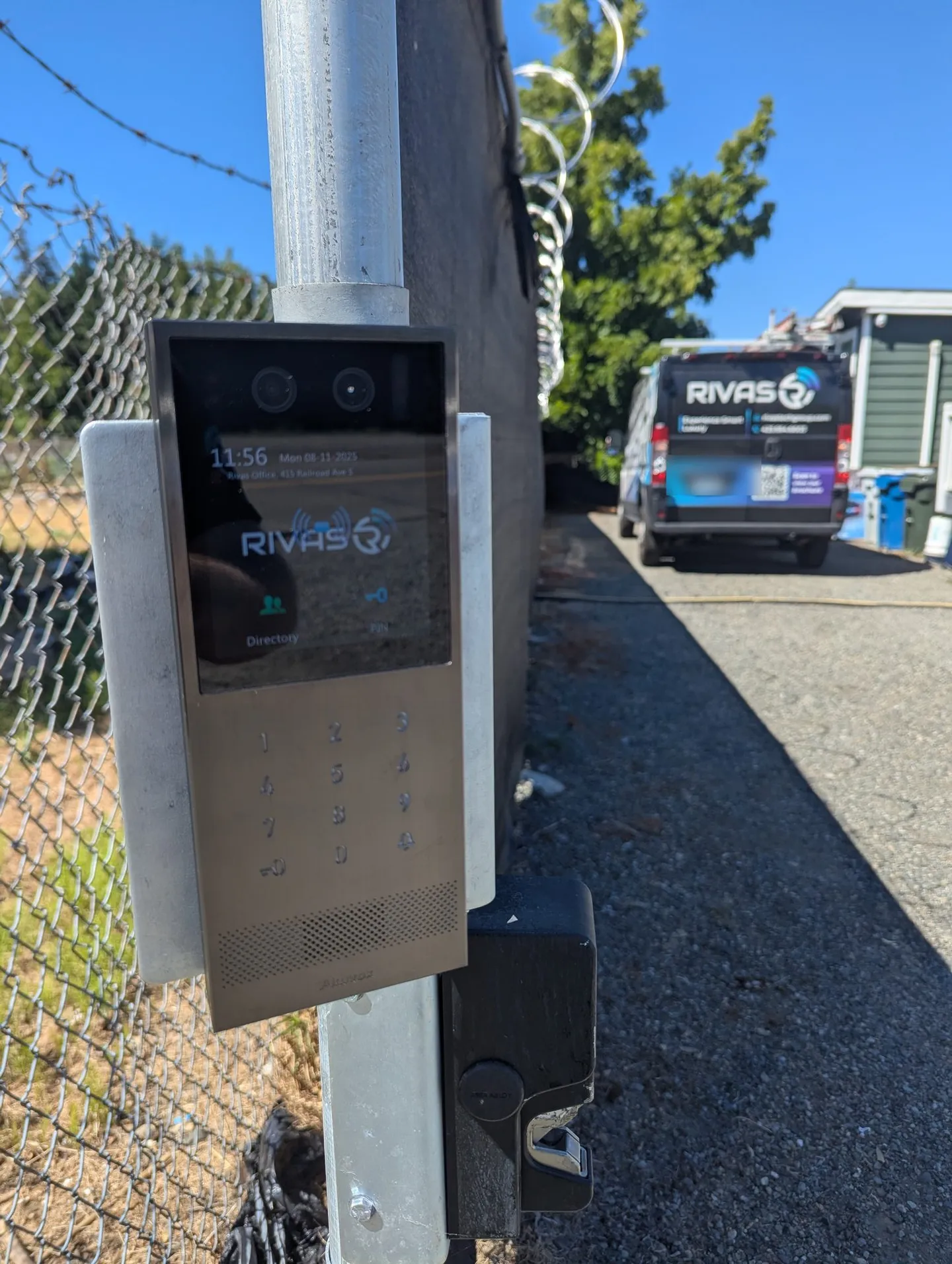

Rivas Technology Group designs and installs technology for hotels, inns and boutique lodging in the South Sound. That means guest Wi-Fi sized for a sold-out night, in-room TVs, and zoned common-area audio and signage. It also means Ajax cameras and intrusion, Akuvox intercoms, keyless staff access and Control4 property control. Installed floor by floor so rooms keep earning.
- Response
- Call or text back within one business day
- Assessment
- Property walk within a week
- Install
- Phased floor by floor or wing by wing
- Monitoring
- Becklar, a UL-listed central station, month to month
- License
- WA electrical contractor RIVASGL799DR, bonded and insured
- Reviews
- 5.0 from 49 Google reviews; BBB accredited, A+
What does a lodging property need?
Six systems on one network and one design: guest Wi-Fi, in-room entertainment, common-area AV, cameras and intrusion, access control, and property control. Most projects touch several, and they share a rack, a backbone and a support relationship. You can build the whole property at once or start with the one that is costing you reviews today. We focus on boutique and independent hotels, inns, B&Bs and small lodging groups that want an integrator rather than a national checklist. The commercial hub shows how a property's dining room, meeting room and back office fit in.
Why does guest Wi-Fi come first?
Because it is the most common complaint in lodging reviews, the one guests punish hardest, and the most solvable. We design enterprise wireless for a sold-out night rather than a consumer router stretched past its limit. That means an access point plan that covers every room and common area, and a clean guest portal. Guest traffic is separated from staff, point-of-sale and back-of-house systems on their own VLANs.
Every access point needs its own cable drop and PoE port, so the count is made at the assessment and the cabling comes through commercial infrastructure. The design approach is on Wi-Fi and networking, and Washington Pottery Company shows a facility-wide network we built.
What goes in the rooms and the common areas?
Guest-room TVs with casting so visitors sign into their own streaming, and simple in-room control that needs no manual. In the lobby, restaurant, pool and fitness room, zoned audio, displays and signage with each space at its own level and source.
The property's restaurant or bar gets the full bar and restaurant AV scope: TV distribution, Klipsch zones, patio audio and scene control. A meeting room gets the conference room build. A lobby feature wall gets a video wall or a single large format display. Exterior and corridor lighting can run on PoE lighting from the same switch as the cameras.
Why cameras and access before the lobby screen?
Because guests, staff and property are what a hotel protects, and the same network carries the proof. Ajax AI cameras cover entrances, corridors, parking and back of house with person and vehicle detection, viewable from any phone. After-hours intrusion on storage, offices and the pool building uses MotionCam detectors that deliver the first photo of an alarm within 9 seconds1. They report to Becklar, a UL-listed central station, month to month with no contract.
Akuvox intercoms handle the after-hours entry and let the desk see and admit a late arrival; we install them as an Akuvox certified intercom installer (ACIA and ACII). Staff and vendors enter back-of-house doors on their own credentials, with codes that expire and an audit log that answers who opened the linen room at 2 a.m. The full scope is on business security and the security hub; a construction phase or an overflow lot without power gets a solar security tower.
How does property control save energy?
Control4 ties lighting, climate and scenes together so an unoccupied room drops its heating and lighting and a checked-in room comes back to a set point. The front desk runs common-area lighting, music and displays from one panel, scheduled by daypart, and the Close scene for the bar arms the alarm on the storage rooms. As a Control4 Authorized Dealer we program the property ourselves, so every room and every shift works the same way.
What drives the cost?
Room count, access point count, camera and door count, audio zone count, and whether the cabling is already in the walls. A new build or PIP renovation costs less per room because every run goes in before drywall in one mobilization. A retrofit is priced room by room with the ceiling type and pathways in mind.
Each system is priced separately in the written scope, so a property can start with Wi-Fi and add cameras and access the following season on the same rack. Monitoring is month to month with no contract, and you own every device. The instant quote gives you a first figure in a few minutes, and commercial AV consulting writes the specification when a GC needs to bid it.
How does the install run without closing the doors?
Three steps: assess and design, build in phases, then monitor and maintain. At the property walk we look at the guest experience and the operation, then engineer every system together. On new builds we coordinate with your GC and architect at the pre-wire stage. Racks are configured before we arrive, and installation runs floor by floor or wing by wing so rooms keep earning, with common areas done during off-hours.
Our own team designs every property; on commercial projects we bring in licensed trade partners under our design and supervision. After opening, the CURATOR remote care plan watches system health, pushes updates and fixes most issues before the front desk hears about them. On-site visits are scheduled, and support comes from the people who built the property.
Where do we work?
From 415 Railroad Ave S, Kent, WA 98032, across south King County and Pierce County. That includes Tacoma, Gig Harbor, University Place, Puyallup, Sumner, Bonney Lake, Tehaleh, Kent, Renton, Tukwila, Federal Way, Auburn and Covington and Maple Valley. The Olympic Peninsula is by appointment for lodging properties.
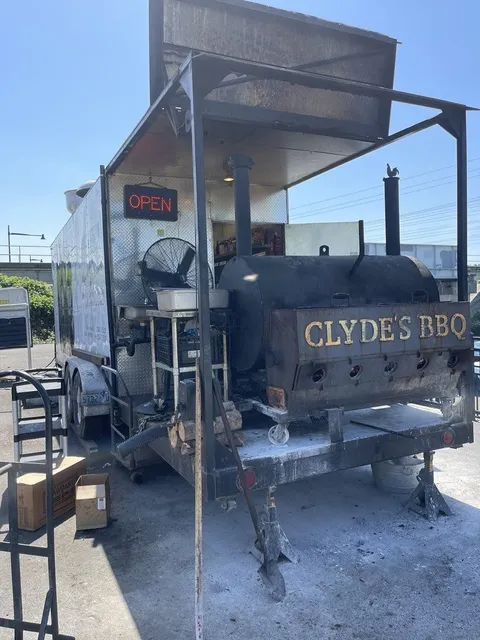
Rivas Group, LLC dba Rivas Technology Group holds WA electrical contractor license RIVASGL799DR, active, bonded and insured (L&I lookup). It is BBB accredited with an A+ rating, and rated 5.0 from 49 Google reviews. The Clyde's BBQ and South Sound Law Group pages show the cameras and networks this work shares; the team is on about us.
Questions lodging owners ask
Do you install guest Wi-Fi for hotels and inns?
Yes, and most lodging projects start there. We design enterprise wireless for full-occupancy demand, with coverage in every room and common area, a clean guest portal, and guest traffic separated from staff, point-of-sale and back-of-house systems. Slow Wi-Fi is the most common complaint in lodging reviews and the most solvable.
What technology do you handle for a property?
Guest Wi-Fi and networking, in-room entertainment and casting, common-area AV and background music, cameras and intrusion, intercoms and keyless staff entry, and Control4 property-wide control with unoccupied-room energy savings. One integrator, one design, one team to call.
Do you work with boutique and independent properties?
Yes. Independent hotels, inns, B&Bs and small lodging groups are our focus. The design follows your property and your guests, not a national checklist.
Can you work on a renovation or new build?
Yes. The best results come from involving us at the design, pre-wire or PIP-planning stage, where we coordinate with your GC, architect and electrician. We also retrofit existing properties room by room with minimal guest disruption.
How do you install without closing rooms?
Racks are configured before we arrive and installation runs in phases, floor by floor or wing by wing, so as many rooms as possible stay in service. Common areas are done during off-hours.
What drives the cost?
Room count, access point count, camera and door count, the number of audio zones, and whether the cabling is already in the walls. A site assessment produces a written scope with each system priced separately, so you can build the whole property at once or start with the one costing you reviews.
How do you support the property after opening?
Through the CURATOR remote care plan: we watch system health across the property, push updates and resolve most issues before the front desk hears about them. On-site visits are scheduled and prepared. The team that designed the systems is the team that supports them.
Book a property assessment.
Tell us the room count, what guests complain about and what the front desk fights with. We walk the property within a week and send a written scope with each system priced separately. We call or text back within one business day.