

Large format display installation, Kent WA and Tacoma
100-inch TV installation,
mounted like it weighs 200 pounds.
75-inch to 120-inch and larger displays, ultra-short-throw laser projectors and the structural mounts, in-wall power and concealed cabling they need. For lobbies, boardrooms, restaurants, showrooms and homes in Kent, Tacoma and the rest of south King and Pierce counties.

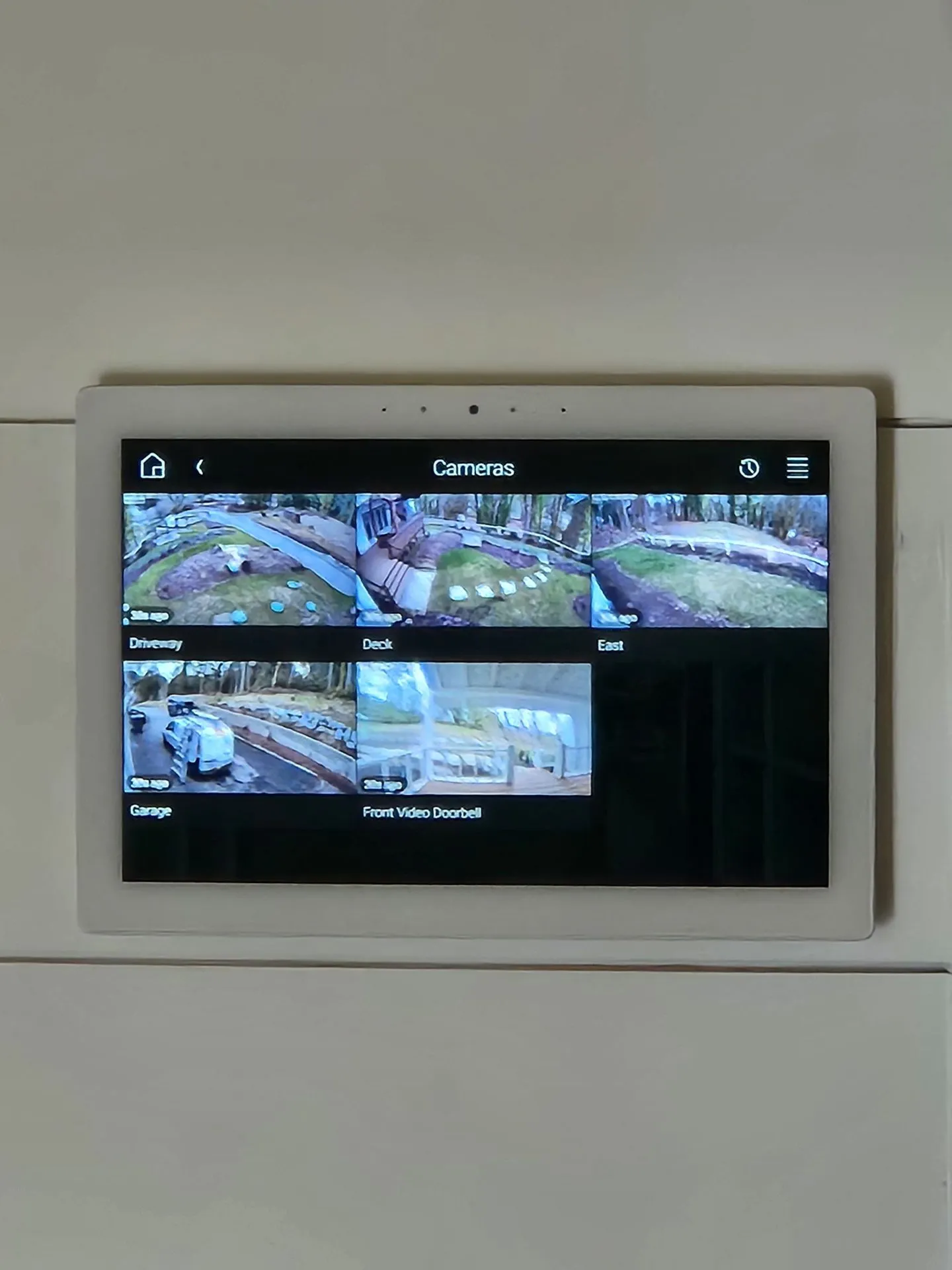
Rivas Technology Group installs 100-inch and larger displays and UST laser projectors in Kent, Tacoma and the South Sound. Every install starts with a framing check, a mount rated for the display weight and blocking where needed. Next is in-wall power under our WA electrical license, concealed cabling and calibration, then one-tap control.
- Response
- Call or text back within one business day
- Assessment
- Framing, light and seating measured before any recommendation
- Display weight
- 80 to 200+ lbs above 85 inches; mounts rated per display
- Power
- In-wall power per NEC code under license RIVASGL799DR
- Reviews
- 5.0 from 49 Google reviews; BBB accredited, A+
When is one display the right answer?
When the room needs one image, not a grid, and the wall can take it. Lobbies, boardrooms, restaurant feature walls, showrooms, living rooms and theaters all fall here. A 100-inch panel changes how a room feels, and the difference between a good install and a liability is the mount, the power, the cabling and the integration.
Ivan Rivas puts it this way: the biggest mistake is treating a large display like a consumer electronics purchase. A 100-inch panel on an inadequate mount, with surface-run cabling and no structural assessment, is a liability. When a single screen is too small or the wall is bright, a video wall takes over. The commercial hub shows where displays fit with the rest of a building.
Large TV, UST laser or projector?
A large format TV for any room with daylight. An ultra-short-throw laser projector where a ceiling mount is impossible or the furniture matters, and a theater projector with screen for a dark room. The TV route gives 1,000 to 4,000 nits of peak brightness, 4K or 8K resolution and an image that is on the moment you walk in. It needs a structural mount and in-wall power.
The UST route puts a 100-inch to 150-inch image on the wall from a unit 4 to 15 inches away on a credenza, with an ambient-light-rejecting screen. It works in partially lit rooms. The theater route delivers 120-inch to 150-inch and larger images from Sony and JVC laser platforms onto motorized or fixed screens, with acoustic options, and pairs with dedicated theater audio. We walk the space, note the lighting and seating, and recommend the one that performs there.
What does the install include?
A framing assessment, a mount rated for the display's weight, blocking between studs where needed, in-wall power per NEC code, concealed AV cabling, calibration, control programming and documentation. Displays above 85 inches weigh 80 to 200 pounds or more, so the mount is engineered per display and wall type, and motorized lifts and ceiling suspensions are available.
In-wall power is handled under WA electrical contractor license RIVASGL799DR or coordinated with your electrician; there is never an extension cord behind the panel. Cabling runs inside the wall to a rack or a media cabinet, labeled at both ends, with an input map and schematic left behind. Signal comes over HDMI 2.1, HDBaseT or HDMI over IP with 4K matrix switching where the room has several sources, on cabling from commercial infrastructure in a business.
How big should it be?
Big enough that the farthest seat is within four to six screen heights, and no bigger. For a 4K display at 100 inches, 8 to 12.5 feet gives an immersive view and 12 to 16 feet a comfortable one. A 20-foot conference room needs at least 85 inches; a 30-foot boardroom takes 98 to 110 inches.
Most people underestimate how large 100 inches is or overestimate how much room it needs, so we measure the room dimensions and the seating layout before recommending a size. Boardroom sizing and the rest of the meeting room are on boardroom and conference room AV.
What does it cost?
As of September 2026 a 100-inch TV installation in the South Sound typically runs $7,500 to $18,000 installed. Large format TV installs run $4,500 to $35,000 or more across sizes and brands, and UST laser projector installs run $6,500 to $22,000 or more, also as of September 2026. The 100-inch figure includes the display, a structural mount, in-wall power, AV cabling and commissioning. The panel itself is the largest variable, with 98-inch to 100-inch Samsung and Sony panels at $5,000 to $15,000.
The low end of the TV range is a standard mount, surface or in-wall power and a single HDMI source for a bedroom or office. The middle is a structural mount, in-wall power and AV, multi-source routing and Control4 integration, the most common living room or boardroom scope.
The top is a flagship panel or a full projection system with motorized screen, theater audio and room automation. The proposal you approve is a fixed price before sales tax; Washington sales tax is added as a line item on the invoice. The instant quote gives you a first figure in a few minutes.
Which brands, and why?
Sony Bravia XR when picture processing is the brief, Samsung Neo QLED for daylight-heavy rooms, and LG OLED for perfect blacks. TCL QM-series when a client does not need to spend $12,000 to get a $12,000 picture. The QM8 at 98 inches performs against panels costing several times more. Businesses get Samsung Business and LG Commercial panels rated for continuous operation.
Projectors come from Sony, JVC and Epson laser platforms, plus Samsung and LG ultra-short-throw units, on Elite Screens, Screen Innovations and Stewart Filmscreen screens. Brand follows the room and the use, not a sales quota. We have installed Sony 98-inch, 85-inch and 75-inch displays in South Sound theaters and living rooms with Leon Speakers frames and matching frame soundbars, photographed as we left them.
Where do we work?
From 415 Railroad Ave S, Kent, WA 98032, across south King County and Pierce County. That includes Tacoma, Kent, Renton, Tukwila, Federal Way, Auburn, Covington and Maple Valley, Puyallup, Sumner, Bonney Lake, Tehaleh, University Place and Gig Harbor. The Olympic Peninsula is by appointment.
Our own team designs and installs in homes; on commercial projects we bring in licensed trade partners under our design and supervision. Rivas Group, LLC dba Rivas Technology Group holds WA electrical contractor license RIVASGL799DR, active, bonded and insured (L&I lookup). It is BBB accredited with an A+ rating, and is rated 5.0 from 49 Google reviews.
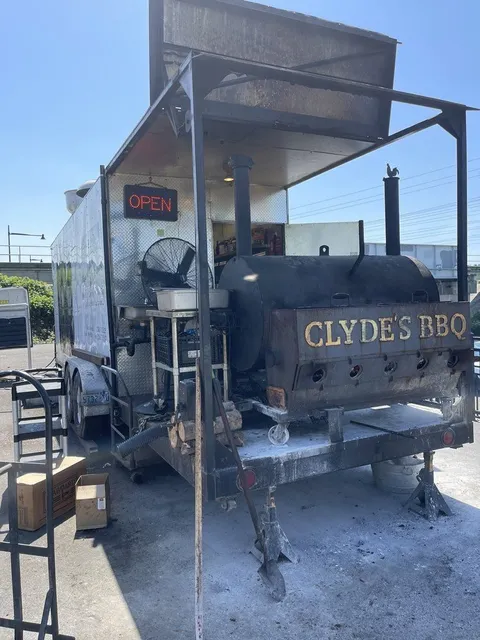
A restaurant feature screen is on bar and restaurant AV. A hotel lobby screen is on hotel and lodging AV. The lighting around a lobby display is on PoE lighting. A building still under construction runs a solar security tower until the cameras go in. The cameras and doors for the same building are on business security and the security hub. Our commercial AV consulting specifies the display before your GC bids it. The Clyde's BBQ, South Sound Law Group and Washington Pottery Company pages show our commercial work.
Questions about large displays
How much does a 100-inch TV installation cost?
As of September 2026 a 100-inch TV installation in the South Sound typically runs $7,500 to $18,000 installed, including the display, a structural mount, in-wall power, AV cabling and commissioning. The panel is the largest variable: 98-inch to 100-inch panels from Samsung or Sony run $5,000 to $15,000 on their own.
Should I buy a big TV or a projector?
A large TV gives 1,000 to 4,000 peak nits, works in any light and needs no warm-up. A projector and screen cost less per inch and give a cinematic image, but need controlled light and throw distance. An ultra-short-throw laser projector sits inches from the wall and delivers a 100-inch to 120-inch image in a partially lit room.
Can my wall hold a 100-inch display?
With planning, yes. Displays above 85 inches weigh 80 to 200 pounds or more and need a mount rated for that weight, in-wall power per NEC code and often blocking added between studs. We assess the framing on every project and add backing before installation day.
How far away should we sit?
For a 4K display at 100 inches, about 8 to 12.5 feet for an immersive view or 12 to 16 feet for a comfortable living room or boardroom feel. We measure the room and the seating before recommending a size; oversizing for the room is the most common expensive mistake.
Which brands do you install?
Samsung Neo QLED, Sony Bravia XR, LG OLED and QNED, and TCL QM-series for homes. Samsung Business and LG Commercial panels for boardrooms, lobbies and restaurants. Sony, JVC and Epson laser projectors and Samsung and LG ultra-short-throw units. The room and the use decide the brand.
Can it work with one remote?
Yes. As a Control4 Authorized Dealer we tie the display, audio, lighting and shades to one tap on a remote, app or touch panel. In a boardroom the same tap starts the call; at home it starts the movie.
Do you install in homes as well as businesses?
Yes. Living rooms, master suites, dedicated theaters and patios get the same structural mount, in-wall power and concealed cabling as a lobby or boardroom. Residential work is installed by our own team.
Book a site assessment.
Tell us the room, the wall and what you want to watch on it. We measure framing, light and seating distance, then send a fixed proposal. We call or text back within one business day.