

Structured cabling and network infrastructure, Kent WA and Tacoma
Structured cabling
your cameras, Wi-Fi and AV run on.
Cat6 and Cat6A drops, fiber backbones, equipment racks and PoE cabling for cameras, access points and intercoms. For businesses in Kent, Tacoma and the rest of south King and Pierce counties. Installed once, labeled at both ends, tested and documented.
Three South Sound businesses running on cabling and networks we built.


Rivas Technology Group installs structured cabling for businesses in Kent, Tacoma and the South Sound. That means Cat6 and Cat6A drops, fiber between floors and buildings, racks and patch panels, and PoE cabling for cameras, access points and intercoms. Every run is terminated, labeled, tested and documented.
- Response
- Call or text back within one business day
- Assessment
- On site within a week
- Lead time
- Typically two to six weeks from an approved proposal
- Handoff
- Port map, labels at both ends and test results on every job
- License
- WA electrical contractor RIVASGL799DR, bonded and insured
- Reviews
- 5.0 from 49 Google reviews; BBB accredited, A+
What is structured cabling?
Low-voltage wiring installed as one planned, labeled and tested system rather than one patch at a time. Horizontal runs go from a rack to every desk, camera, access point and display, and a backbone links floors or buildings. Patch panels terminate everything in one place, and each run gets a label at both ends and a test result.
Wiring that grew over fifteen years fails the one test that matters: when a drop dies, nobody can say which cable feeds it. Structured cabling turns that repair into ten minutes at a patch panel. It is the layer every other system on this site depends on: business security cameras, Wi-Fi, conference rooms, PoE lighting and video walls.
What do we install?
Cat6 and Cat6A data drops, fiber backbones, equipment racks with patch panels and UPS backup, and PoE cabling for cameras, intercoms, door controllers and access points. Speaker and AV cabling goes in before drywall on new builds and remodels. Every run is tested, labeled at both ends and documented in a port map you can hand to the next IT person. The rack is dressed so a technician can trace a cable without pulling the bundle apart. South Sound Law Group and Washington Pottery Company both run on racks and cabling we rebuilt this way.
Cat6, Cat6A or fiber?
Cat6 for most desks, printers, phones and cameras; Cat6A where Wi-Fi 6E or 7 access points, 10 Gb uplinks or high-wattage PoE are planned; fiber between racks, floors and buildings. Cat6A costs more per run and carries PoE heat with more headroom, which matters once lighting, cameras and access points all draw power through the bundle.
The cable itself is a small share of the project. Labor, pathways and access to finished ceilings are the expensive parts, so installing a category you will outgrow is the one mistake you pay for twice. We specify for the building's next decade, not its next invoice.
How is PoE camera cabling different?
Power and video ride the same cable, so the run has to be sized for electrical load as well as data. A camera, intercom or access point draws its power from the switch port. That means the switch's PoE budget, the bundle size in the ceiling and the cable category all get engineered before anything is pulled.
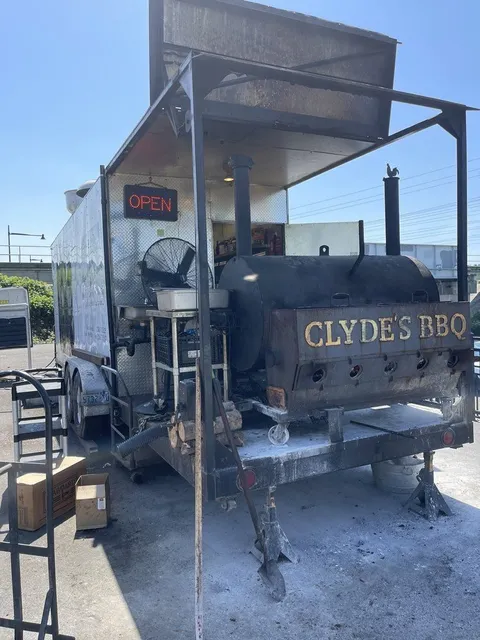
One drop per device, one PoE port per drop, and a spare on the switch for the next camera. Coverage for cameras is mapped to the floor plan with the security design on business security. The cabling lands where the camera needs to be, not where the old one was. Clyde's Southern Wood Fired BBQ in Tacoma got PoE runs to each camera position around the risk areas we identified.
What sits on top of the cabling?
A business router, managed PoE switching, access points and a rack with UPS backup, configured as one network. Point-of-sale, cameras, AV and guest Wi-Fi are separated onto their own VLANs so a guest device never sees the register. Voice and AV streams are prioritized. Remote monitoring lets us diagnose most faults without a truck roll.
The Wi-Fi design, including how many access points a building needs, is on Wi-Fi and networking. The same cabling carries a restaurant's TVs and zones, a hotel's guest Wi-Fi and a large format display. A site with no power yet gets a solar security tower until the drops go in.
What drives the cost?
Drop count, cable category, ceiling type, distance and schedule. Cabling is priced per drop; Cat6A, plenum-rated cable, hard-lid ceilings, long runs and after-hours work each add to it. Fiber adds terminations and test equipment. A rack build adds the switch, router, UPS and patch panels, sized to the port count with spares. New construction and remodels cost less per drop because everything goes in before drywall in one mobilization, which is why we ask to be on site before the walls close. Every proposal is fixed price, and the instant quote gives you a first number in a few minutes.
How does the process work?
Site assessment within a week, a fixed proposal with drawings, and a typical lead time of two to six weeks from approval to install. At the assessment we count devices and drops, walk the pathways, check the rack location for power and cooling, and note where ceilings are hard. The proposal lists every drop by location and category.
Installation is scheduled around your operating hours. Our own team designs every job; on commercial projects we bring in licensed trade partners under our design and supervision. Before we leave, every run is tested, labeled and documented, and the port map is in your hands. After that, support at published rates and the CURATOR remote care plan.
Which projects can you look at?
Three, each with its own page. South Sound Law Group: a documented office network rebuild with enterprise routing, full-coverage Wi-Fi and client data segmented from everything else. Washington Pottery Company: enterprise routing, Wi-Fi across the whole facility and VoIP phones, replacing a network that dropped point-of-sale and calls. Clyde's Southern Wood Fired BBQ: Ajax AI cameras on PoE cabling that ended a run of theft losses. More on the commercial hub.
Where do we work?
From 415 Railroad Ave S, Kent, WA 98032, across south King County and Pierce County. That includes Kent, Renton, Tukwila, Federal Way, Auburn, Covington and Maple Valley, Tacoma, Puyallup, Sumner, Bonney Lake, Tehaleh, University Place and Gig Harbor. The Olympic Peninsula is by appointment.
Rivas Group, LLC dba Rivas Technology Group holds WA electrical contractor license RIVASGL799DR, active, bonded and insured (L&I lookup). It is BBB accredited with an A+ rating, and is rated 5.0 from 49 Google reviews. The security hub covers homes and businesses; commercial AV consulting writes the cabling specification before your GC bids it; the team is on about us.
Questions about structured cabling
What is structured cabling?
Low-voltage wiring planned and installed as one system. That means horizontal runs from a rack to every work area, a backbone between floors or buildings, patch panels, and a label and test result for every run. The test is simple: if a drop fails tomorrow, can anyone name its cable and its panel port in under a minute?
How much does structured cabling cost per drop?
Cabling is priced per drop, and the drop count, cable category, ceiling type and distance set the number. Cat6A, plenum-rated cable, hard-lid ceilings and after-hours work each push it up. A site assessment counts the drops and the proposal prices each one; the instant quote gives a first figure.
Do I need Cat6A, or is Cat6 enough for a new office?
Cat6 for most desks, printers, phones and cameras. Cat6A where Wi-Fi 6E or 7 access points, 10 Gb uplinks or high-wattage PoE are planned. It carries heat from PoE loads with more headroom and supports higher speeds at full distance. The cable is a small share of the cost, so we specify for the building's next decade.
Does every access point and camera need its own cable?
Yes. Each access point, camera and intercom needs one drop and one PoE switch port. We count devices, drops and ports together at the assessment, and the switch is sized for the total PoE budget with room to add.
Do you install fiber?
Yes. Fiber goes between floors, between buildings and anywhere distance or bandwidth exceeds what copper does. Most South Sound offices need it as a backbone between two racks, not to the desk.
Can you cable a finished building?
Yes. Drop ceilings, surface raceway and existing pathways cover most tenant improvements. Hard-lid ceilings and concrete cost more per drop. New construction and remodels are cheaper because every run goes in before drywall in one mobilization.
Who does the work?
Our own team designs every job. On commercial projects we bring in licensed trade partners under our design and supervision, and we test, label and document every run before handoff. Rivas Group, LLC holds WA electrical contractor license RIVASGL799DR.


Start with a site assessment.
Tell us how many desks, cameras, access points and displays the building needs. We walk it within a week, count drops and pathways, and send a fixed proposal. We call or text back within one business day.