Network
How do you get reliable Wi-Fi outdoors in Bonney Lake?
Wired outdoor access points under the eaves, placed from a signal survey, not a plug-in extender by the back door. Here is how we built it for a Bonney Lake home and what the same job looks like at yours.
Wired Alta Labs AP6 Pro outdoor access points under the eaves, placed from a signal survey rather than a plug-in extender by the back door. Rivas Technology Group covered a Bonney Lake patio, garden and detached garage that way, with no dead zones and nothing visible on the siding.
By Ivan Rivas, Owner and Sales Engineer · 2025-11-12 · Updated 2026-09-17

What did the Bonney Lake homeowner need?
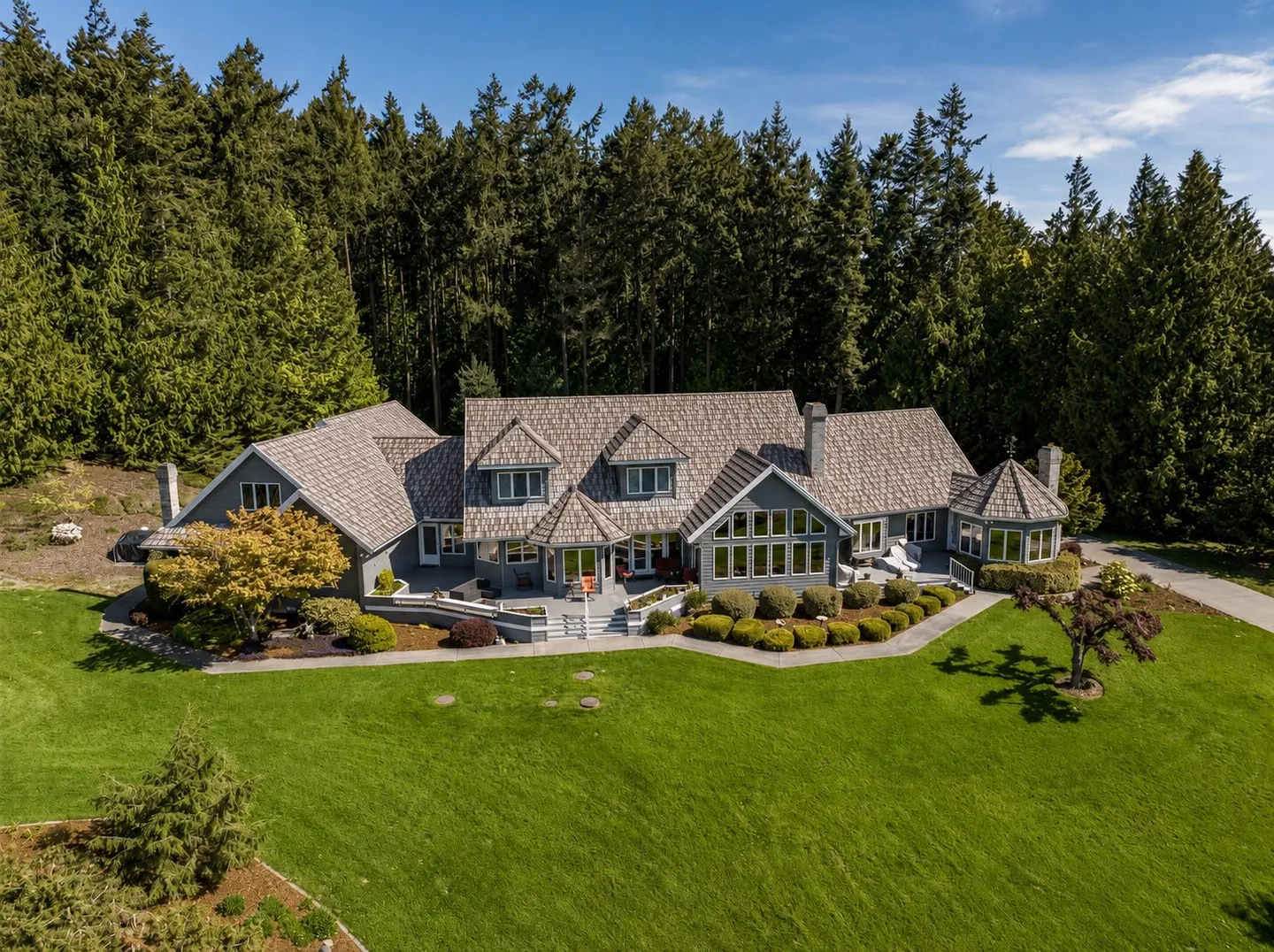
Coverage from the kitchen to the patio, the garden and a detached garage, without the drops that made the outdoor speakers and cameras unreliable. The house had a good indoor network. Outside, the signal thinned past the deck and vanished at the garage. Music cut out, the camera by the driveway went offline in the app, and anyone working from the patio table went back inside. The brief was to make the whole property usable, with nothing visible on the siding.
Why does outdoor Wi-Fi fail in the first place?
Because indoor access points are placed for rooms, and exterior walls, insulation and low-e glass absorb the signal before it reaches the yard. Distance does the rest. A router in a hall closet may reach the deck at reduced speed and the back fence not at all.
Consumer extenders and mesh pucks plugged in near the door relay that same weak signal, so every device on the patio shares a fraction of the bandwidth. Outdoor systems that matter, landscape audio, cameras, a video doorbell at a gate, irrigation controllers, shades on a covered patio, all need a signal that was designed for them.
What did we install?
Alta Labs AP6 Pro outdoor access points, each on its own Ethernet run back to a PoE switch in the rack. We placed them under the eaves on the patio side of the house and on the detached garage, aimed at the areas the survey showed as dead. Each unit is outdoor-rated and powered over the Ethernet cable, so no electrician was needed at the mounting points and nothing plugs into an exterior outlet. The units are small and finished in a neutral color, and under an eave they are close to invisible from the yard.
Alta Labs is one of three access point lines we install, alongside Ruckus and Ubiquiti UniFi. We chose it here for the outdoor form factor and cloud management the homeowner could check from a phone. The router behind the network is an Island Router, so routing and the firewall do not depend on a subscription.
Wired or mesh: why does it matter outdoors?
Wired access points hold full speed at the edge of the property; mesh loses speed at every hop. That difference is larger outdoors than indoors because the hops are longer and the walls in between are exterior walls. A wired access point also roams cleanly. When you walk from the kitchen to the patio, your phone hands off from the indoor unit to the outdoor unit without a stall. That is because both are on the same wired controller. Our full comparison is in the mesh versus wired access points guide.
How was it tested?
With a meter, walking every part of the property the homeowner uses. We check signal strength and throughput at the patio table, along the garden path, at the garage workbench and at the driveway camera. Then we adjust power and channels so the units overlap without fighting. The result at handoff was a network that covered the property the homeowner actually uses, with the cameras staying online and the outdoor audio playing through a full evening. Every access point and cable run is labeled and documented, so the next change is a plan, not an investigation.
What does the same job look like at your house?
Three steps: survey, design, install.
- Survey. We walk the property with a meter and note where signal drops and what needs to work there.
- Design. Access point count and placement, cable routes through the attic or conduit, switch and rack changes, and one fixed price.
- Install. Our own team runs the cable, mounts the units, configures roaming and VLANs so cameras and guests stay separate, and tests again at handoff.
What drives the cost is the number of access points, the length and difficulty of each cable run, and whether the rack needs a PoE switch added. Acreage with a shop or dock usually needs a run in conduit; a house lot usually needs one or two units through the attic.
Need it installed?
Rivas Technology Group designs and installs home and business networks in Bonney Lake, Tehaleh, Puyallup, Tacoma and Gig Harbor from our office in Kent. See our Bonney Lake page, or book a site survey and we will walk the property with a meter.