Smart home
Smart Home Day 2026: what a professionally integrated home really means.
November 3 is Smart Home Day, a day CEDIA sets aside to show what the smart home industry does. For us it is a good moment to explain the difference between a house full of smart gadgets and a home where everything was designed to work as one system.
A professionally integrated smart home is one system rather than a collection of apps. Lighting, climate, security, cameras and audio are planned together, wired where it matters, and run from one app, one remote and one set of scenes. A local installer designs it, sets it up and keeps it working after the install.
By Ivan Rivas, Owner and Sales Engineer · 2026-11-03 · Updated 2026-11-03

Smart Home Day, November 3
Smart Home Day is held each year on November 3 by CEDIA, the trade association for home technology professionals. Rivas Technology Group has been a CEDIA member since 2022. The day is about the work that happens behind the walls: the planning, wiring and setup that make a home's technology behave like one system instead of ten apps.
A pile of gadgets, or one system
Most homes already have smart devices. A video doorbell, a few smart bulbs, a thermostat, a speaker or two. Each one works on its own. Each has its own app, its own schedule and its own idea of who is home.
An integrated home starts from the other end. We plan what the home should do, room by room, and pick the devices that can do it together. The result is one app, one remote and one set of scenes. "Goodnight" turns off the lights, locks the doors, sets the alarm and turns down the heat. Nobody has to remember which app does what.
Room by room
Lighting. Keypads where switches used to be, scenes for morning, dinner and movie night, and outdoor lights that follow sunset. See smart lighting.
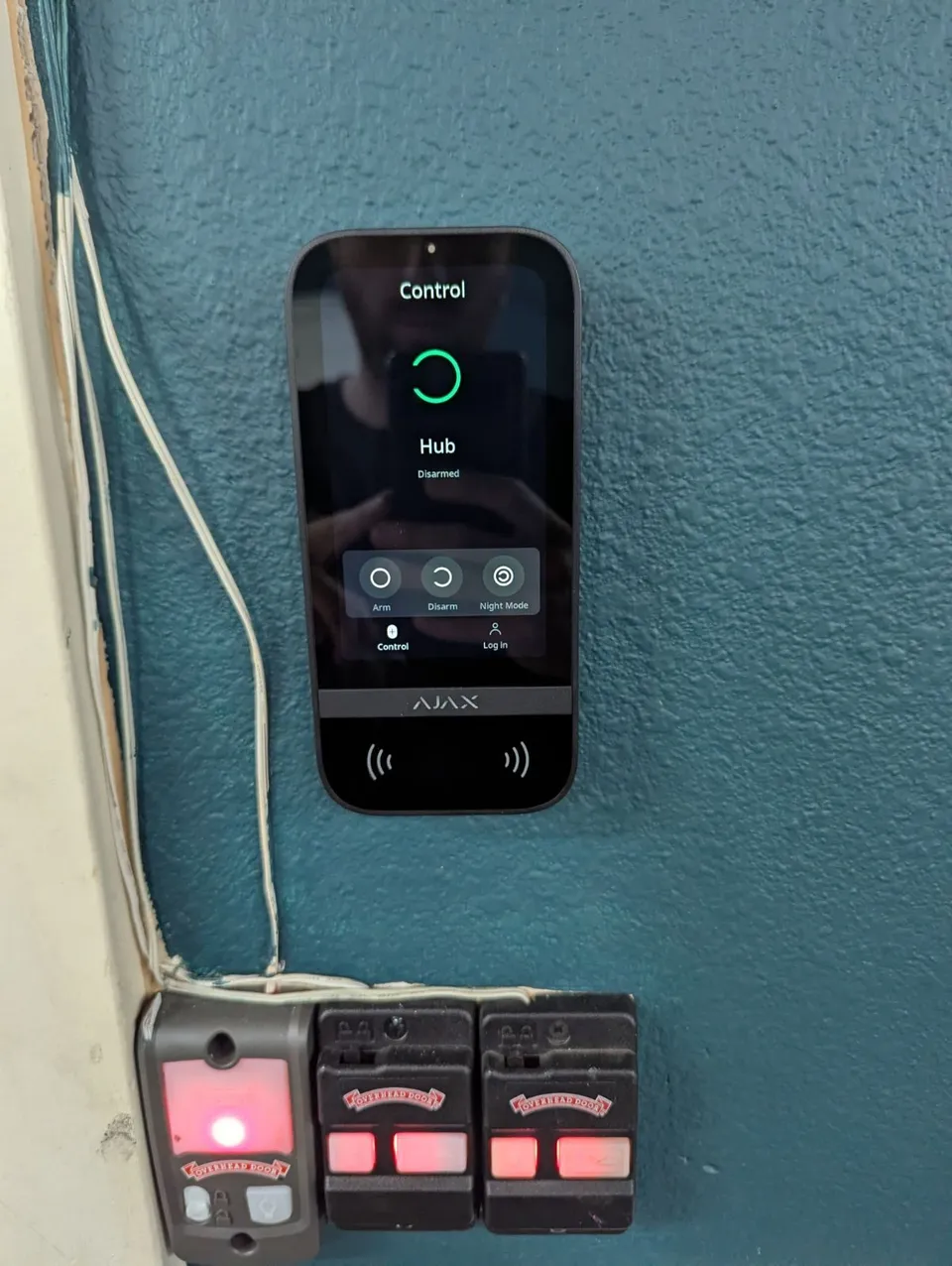
Security. An Ajax alarm that arms with the goodnight scene, reports over cellular when the internet is down, and shows its status in the same app as everything else. See home security and how the Ajax and Control4 driver ties them together.
Cameras. Wired cameras that record on a recorder in the house and show up on the touchscreen and the TV when someone is at the door. See security cameras.
Whole-home audio. Music in the kitchen, the patio and the office from one app, with speakers in the ceiling instead of on the counter. See home theater and audio.
Climate and shades. Thermostats and shades that follow the time of day and the scenes, so the house is comfortable before you think about it. See climate control and shades.
All of it runs on Control4, on a network built for it. See Wi-Fi and networking.
Why a local installer matters
A smart home is only as good as its setup and its upkeep. Apps update, devices change and Wi-Fi gets crowded. We design, install and look after systems across south King County and Pierce County, from Kent and Auburn to Tacoma, Puyallup and Gig Harbor. Our CURATOR care plan keeps the system updated and checked after the install, so it keeps working the way it did on day one.
If you are weighing it up, our post on DIY or professional smart home installation goes through what you get for the difference.
See what it would cost for your home
The instant estimate gives you a range for the rooms and systems you pick in a few minutes. From there we walk the house with you and send a written scope.